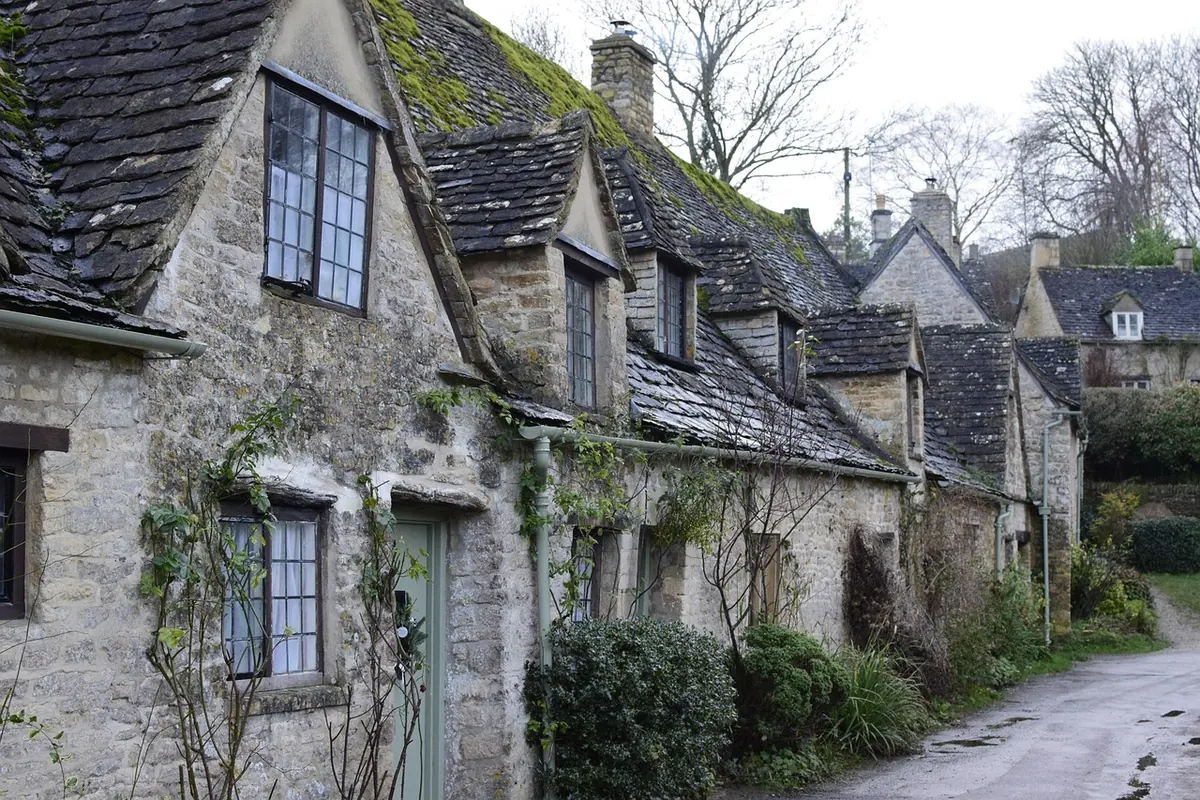
Britain's seasons turn slowly, then all at once. One morning the mist sits in the valley, the hedgerows are full of fieldfares, and you realise you have missed three weeks of the best conditions. Planning by season rather than by date makes trips more productive, because what matters is not the calendar but what the wildlife, the plants and the light are actually doing. Here is how the year unfolds, and what to point a lens at.
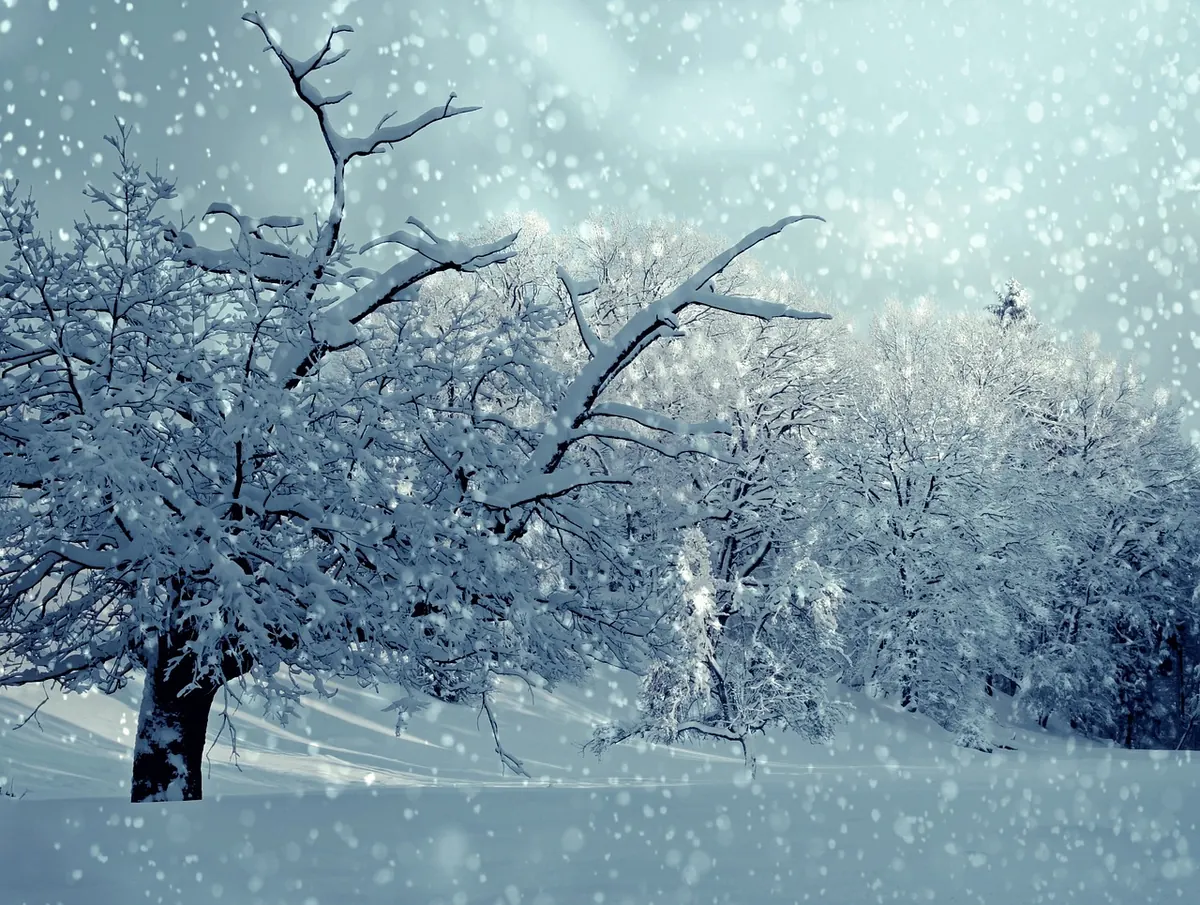
The days are short, but the light is generous. From mid-morning until early afternoon the sun sits low enough to act as a soft side light, which makes winter the easiest time of year for hand-holding a long lens. Hard frosts and valley mist reward an early start: be in position before sunrise and stay put as the sun burns through. Snowdrops appear at woodland edges and in churchyards from late January, with hazel catkins close behind.
Look for redwings and fieldfares stripping berries from hedges, and in irruption years waxwings in supermarket car parks. Starling murmurations peak at dusk over reedbeds and piers, and kingfishers are far easier to find along rivers once the vegetation has died back. On sunny days in late February, adders bask on heathland, and great crested grebes begin their mirror-image courtship dance on larger lakes.
Frogspawn appears in ponds, followed by primroses, lesser celandine and wood anemone. Blackthorn flowers white in March, hawthorn follows in May. Chiffchaffs arrive first, then willow warblers, sand martins and swallows. Brimstones and orange-tips are on the wing as soon as the sun comes out.
April and May bring the bluebell season, starting in the south and running several weeks later in Scotland. The weather is unsettled, which is useful: showers followed by bright spells give you rainbows, dark skies and clean, saturated colour. Wind is the enemy of woodland flower photography, so aim for still early mornings and sheltered spots, and use a diffuser or a sheet of cloud to even out the light among the trees.
If you only take one photography trip this year, take it now. Days are long, everything is nesting or flowering, and the light stays workable well into the evening.
Puffins, guillemots, razorbills and gannets are at their most active between May and early July, when adults are carrying food to chicks. Check tide times and access arrangements before you travel, stay on marked paths, and avoid blocking the flight lines birds use to reach their ledges. Early morning on an east-facing cliff gives front-lit birds with a clean sea background.
Wild garlic carpets damp woods, chalk downland orchids flower, and dragonflies and damselflies emerge over ponds and ditches. Sunset in southern England falls after 21:00, and a blue hour that lingers until nearly 23:00 makes dusk sessions genuinely worthwhile.
The sun is high and hard, so work the first two hours and the last two. Midday is for scouting locations, checking access and eating. Heather turns the moors purple from mid-August, and butterflies crowd buddleia and knapweed in gardens and verges.
On estuaries, falling water levels concentrate waders into photographable groups; moulting ducks look drab and should not be mistaken for unusual species. Thunderstorms build quickly and give the most dramatic skies of the year — watch the rainfall radar and position yourself ahead of the front. On western coasts, summer plankton draws basking sharks and minke whales close inshore, though sightings are never guaranteed.
This is the richest period for British nature photography, and the light cooperates: long shadows, mist on still mornings, and colour that shifts week by week.
Bellowing stags and moving hinds are at their most active from late September to late October, at dawn and dusk. Keep a respectful distance, use a long lens rather than approaching, and never stand between a stag and his hinds. Follow the instructions of wardens at well-known sites.
Fungi fruit from September after rain, in beech, oak and birch woodland. Get low, use a reflector or a small torch for fill, and pick clean backgrounds. Autumn colour arrives in Scotland and northern England from mid-October and reaches the south weeks later. Redwings and fieldfares return, waders gather on estuaries, and the first starling murmurations form.
Grey seal pups are born between October and December at colonies on the Lincolnshire and Norfolk coasts and around the Farne Islands. A long lens, patience and strict attention to rope lines and wardens' advice are essential; seal mothers abandon pups if they are disturbed.
Murmurations reach their peak on cold, clear evenings, and the low winter sun makes even a plain beach worth photographing, especially when wet sand reflects the sky. In Wales and Scotland, salmon can be seen leaping upstream after heavy rain. Frost, fog and bare branches strip a scene back to its shapes, which is a useful discipline if you have been relying on colour all year.
Pick a handful of trips you genuinely want to make and build the rest of the year around them. A short checklist helps:
Weather and wildlife both run late or early depending on the year, so treat any month-by-month guide as a starting point. The photographers who do best are simply the ones who go out often, in ordinary conditions, and come home with something worth keeping.
Photo: HarryJBurgess / Pixabay
A practical packing guide for nature photographers heading into the British outdoors, covering cameras, lenses, rain...
How to find, time and photograph Lake District fog — accessible viewpoints from Buttermere to Tarn Hows, exposure...
A practical guide to photographing Britain's spring wildflowers: reading the bluebell season, working with soft...

Exploring misty landscapes and quiet natural places.
