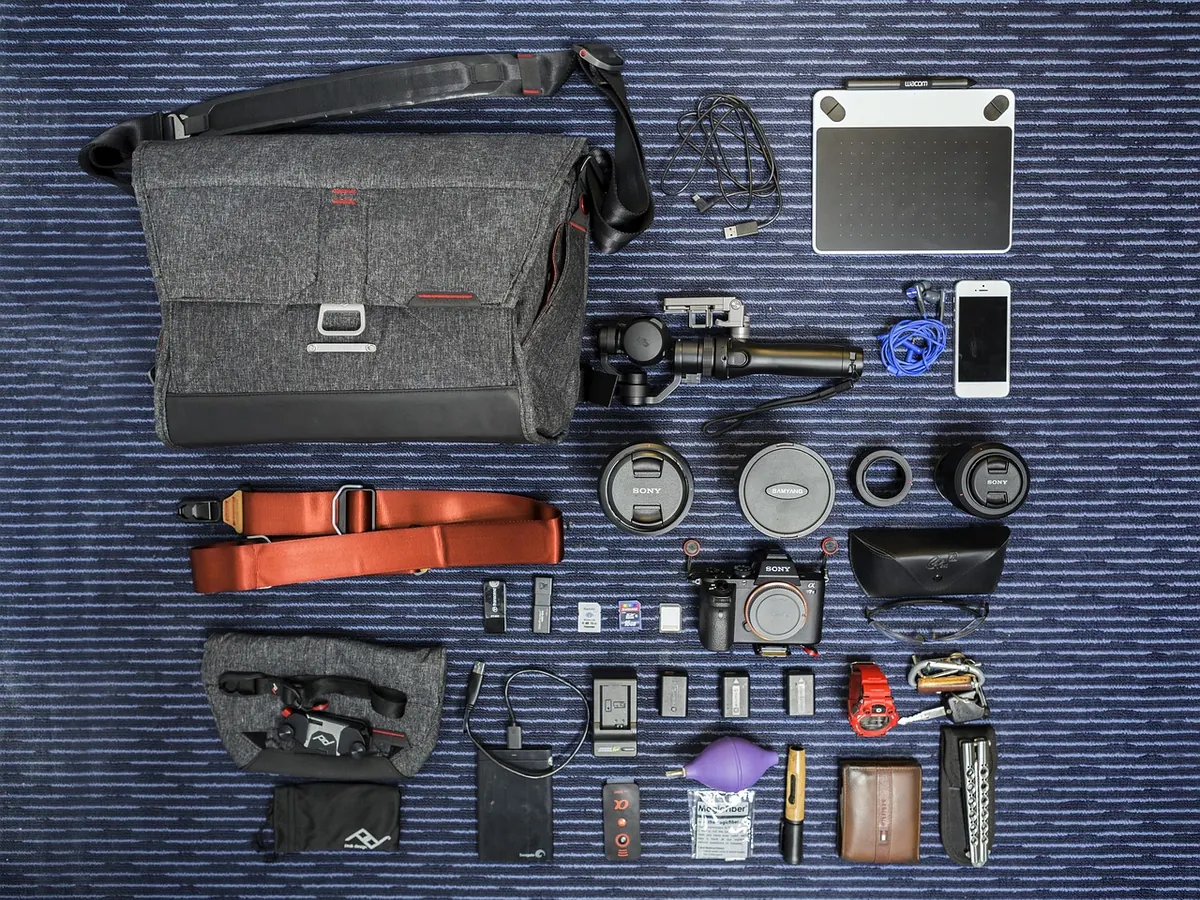
Fog rewards the photographers who get out of bed. On a still autumn morning, a familiar valley can turn into something layered and quiet, and the whole shoot may be over in forty minutes once the sun starts burning through. There is no time to drive home for a forgotten tripod when the light is already lifting, so the preparation happens before you leave the house. What follows is a checklist worth printing and keeping in the camera bag.
Mist is a low-light, high-moisture event, which is exactly the combination that exposes weak preparation. Batteries fade faster in the cold, lenses fog up when you move them between temperatures, and tripods get left behind because they were "probably not needed". Lay everything out the evening before and tick it off.
When fog is forecast, check when it is expected to form and when it should lift. Radiation fog on a clear, calm night usually gathers in valleys and near water, and it often disappears within an hour of sunrise. That gives you a window, and the window is the shoot.
Fog is bright. A meter looking at a white world will try to make it grey, so your first job is to protect the highlights while keeping the mist luminous.
Then adjust. Start a third of a stop over the metered exposure and check the histogram: the right-hand side should hold plenty of bright tones, but the highlight peak should not be jammed against the edge. Some photographers deliberately expose to the right and pull the file back in editing, which keeps the mist clean rather than grey. Bracket in one-stop steps if you are unsure and decide at home.
Autofocus struggles when there is little contrast, so pick a single point and aim it at something with an edge — a gatepost, a tree trunk, the far ridge. Wide-area modes will hunt and often settle on nothing at all. If the camera refuses, switch to live view, magnify the rear screen and focus manually. For a layered landscape, focus about a third of the way into the scene and stop down to f/11; the mist hides the far distance anyway, so sharpness at the very back rarely matters.
Evaluative or matrix metering is fine as a base, but watch what it does when a bright patch of sky enters the frame. Spot metering on mid-grey foliage and locking exposure is more predictable when the light is shifting quickly.
One more setting worth changing: turn off automatic white balance. It drifts as the colour of the light changes, and frames you compare later will not match. Choose one value and leave it alone.
Mist is a depth tool. Every band of fog between you and the horizon becomes a separate plane, and the further away it sits, the paler it reads. Use that. A good misty photograph usually has three or four of these layers, with something dark and recognisable in the nearest one.
Walk rather than shoot from the car park. Ten minutes down a footpath often puts you below the fog line or beside water where the mist is thickest. Look for:
Photo: Pexels / Pixabay
A practical packing guide for nature photographers heading into the British outdoors, covering cameras, lenses, rain...
How to find, time and photograph Lake District fog — accessible viewpoints from Buttermere to Tarn Hows, exposure...
A practical guide to photographing Britain's spring wildflowers: reading the bluebell season, working with soft...

Exploring misty landscapes and quiet natural places.
